


Are smartphones rewiring our children’s brains? Or are adults struggling to keep up with a world of technology that has been designed to capture our attention, and falling for simple measures like bans?
In the wake of Jonathan Haidt’s The Anxious Generation and the growing movement to ban smartphones in schools, the conversation about children and technology has become increasingly polarized. I’ve previously ranted a bit about his book and the research it was based on.
There are legitimate concerns about the design of digital platforms, their effects on attention and regulation, and the responsibilities of the companies building them. But does turning technology into the villain help us understand what is actually happening in children’s brains, or teach young people how to navigate the world they are growing up in?
There are also significant issues with the research designs and ‘evidence’ regarding kid’s mental health and technology. As stated before, I’m not a fan of tech but also not willing to accept the smartphones/social media = BAD standpoint. One common issue with the research is the blunt use of “screentime” as a research variable. What is that exactly? See the problem?
I had a chance to chat with Dr. Mari Swingle. She is a psychologist, researcher, and author of i-Minds, a book any adult interested in tech’s impact on kid’s health should read! We featured her work and writing in Kids These Days (see link at end if interested in the book).
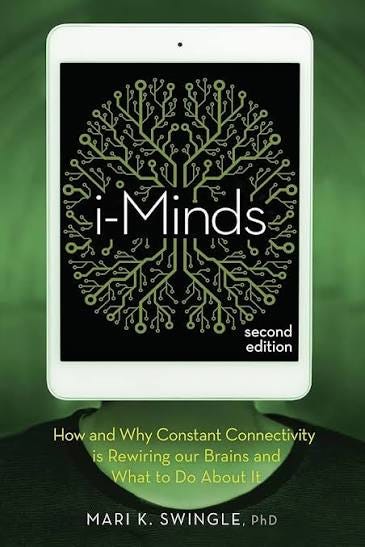
We explore what screen-based technology does to developing brains, why children can struggle to disengage from devices, and how we can distinguish problematic patterns of use from the much more common challenges of dysregulation, developmental readiness, and learning to self-regulate.
With her trademark mix of scientific insight and practical wisdom, Dr. Swingle helps us move beyond the scare tactics toward a more useful conversation about adult responsibility, technology design, parenting, and the skills children need to develop. Rather than treating every child who struggles to put down a device as addicted, or assuming that banning phones will solve the problem, we explore how parents and other caring adults can recognize signs of dysregulation, model healthier habits, and support children in developing their own capacity to regulate and make good choices.
Regarding tech, Mari says “Kids have been overfed yet undernourished”. We have failed to provide the scaffolding and guardrails. We, the Adults in the room, need to accept that responsibility, tempered by the realities of the tricks and tactics of the developers who drive the attention economy.
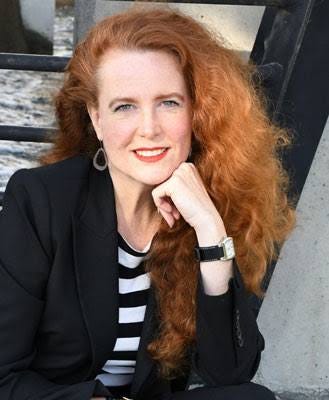
Dr. Mari Swingle
The goal is not to raise a generation afraid of technology, nor to pretend that powerful digital platforms are harmless. It is to raise young people who can use technology intentionally, creatively, and responsibly, when they are developmentally ready, without allowing it to displace the relationships, play, movement, sleep, and real-world experiences they need to thrive.
It is equally important for adults in kids lives to know how best to support them and not fall prey to hyperbolic headlines and sensationalism regarding the potential harms.
Because the answer to a digitally saturated childhood cannot simply be to fear the technology. It is to understand it, hold its developers accountable, and help our kids learn to live well with it.
Consider Dr. Swingle’s distinction between digital interference and digital integration:
Video game developer testing functionality with cognitive functions
V.
Child playing exact same game and experiencing it emotionally and becoming dysregulated.
It is not the technology—but rather where the individual is developmentally, contextually, and whether they have learned to interact with the technology appropriately.
If interested, have a listen. I think we will be meeting again to talk about her work in neurotherapy and what is actually happening in the brain when engaged with technology and different types of exposures (gaming, porn, social media scrolling…).
Check out Dr. Swingle’s work at the Swingle Clinic: https://swingleclinic.com/about/our-staff/dr-mari-k-swingle/


